
bluefish
Bluefish have attitude, and plenty of it. Fast, powerful and constantly on the hunt, they spend much of their lives chasing schools of oily baitfish such as menhaden, also known as pogies. This active, predatory lifestyle gives larger bluefish their bold, full flavoured character and unmistakable taste of the sea. Younger fish, however, feed more on shrimp, crabs and smaller forage, producing a milder, slightly sweeter flavour that is often preferred by those trying bluefish for the first time.
Bluefish can grow to more than 30 pounds, with fish over 10 pounds often nicknamed "horses". The smaller fish, weighing around 1 to 2 pounds, are known as "snappers" and are prized for their more delicate flavour. Most market fish fall between 3 and 5 pounds, offering an excellent balance of richness, texture and manageable fillets.
The flavour of bluefish is unmistakable. Rich, robust and deeply savoury, it is oilier than most white fish with a distinctive, almost buttery character and a pleasant gamey edge. It is a fish with real personality and is perfect for those who enjoy bold seafood rather than delicate flavours.
Its flesh is moist, firm and beautifully flaky, making it ideal for high heat cooking. Bluefish excels on the barbecue, under the grill or in a hot pan, where the skin crisps while the flesh stays succulent. It is also one of the finest fish for smoking, as its natural oils absorb smoky flavours beautifully while keeping the flesh rich and moist.
Fresh bluefish has a clean, ocean fresh aroma and deep bluish pink flesh that lightens to a creamy beige when cooked. Its richness pairs particularly well with bright, acidic flavours such as lemon, vinegar, tomatoes and capers, while herbs like dill, thyme and parsley provide freshness and balance. Garlic, smoked paprika, chilli and black pepper also complement its bold flavour exceptionally well.
Whether grilled over open flames, pan seared until crisp, baked with Mediterranean vegetables or slowly smoked, bluefish rewards adventurous cooks with a deeply satisfying, full flavoured meal that is unlike almost any other fish found along the North Carolina coast.
-
ways to cook it
Broil: A quick, high-heat method that crisps the exterior while keeping the inside moist. Try a zesty marinade with lemon, garlic, and chili flakes for a flavor boost.
Smoke: Bluefish shines when smoked, thanks to its higher fat content. Use a mild wood like apple or alder for a subtly sweet smokiness that complements its natural richness.
Bake: Wrap bluefish in parchment or foil with fresh herbs, citrus slices, and a drizzle of olive oil, then bake until tender and flaky. This gentle method keeps the fish moist and delicate.
Pan-sear: For a fast, flavorful meal, sear bluefish fillets skin-side down in a hot pan with butter or oil until golden and crispy, finishing with a squeeze of lemon.
Grill: Perfect for thicker fillets or steaks. Brush with olive oil, season with salt, pepper, and herbs like thyme or dill, then cook over medium-high heat until the skin crisps and the flesh flakes easily.
Each method works well with bluefish’s robust character, so feel free to experiment and find your favorite.
Foolproof Lemon-Dijon Grilled Bluefish - this is super tasty and foolproof!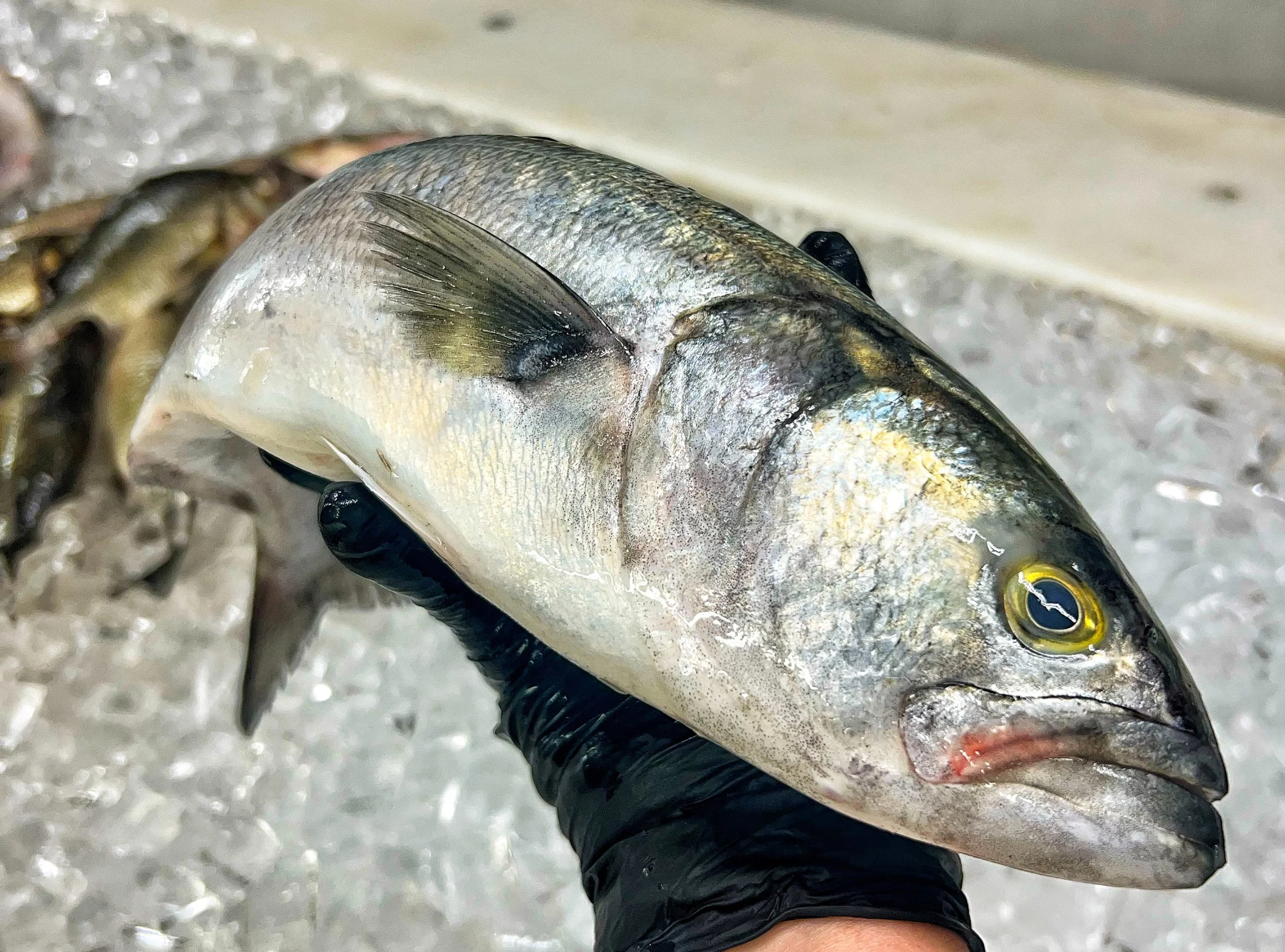
-
Drinks pairings
Bluefish, with its bold, oily character, pairs surprisingly well with certain light to medium-bodied reds that bring balance without overwhelming the palate. Pinot Noir, with its soft tannins and bright acidity, offers gentle red fruit and earthy notes that complement the richness of the fish, especially when simply grilled or roasted. Beaujolais (made from Gamay) is another excellent choice - its vibrant red berry flavors and zippy acidity refresh the palate and play nicely with the fish’s intensity, especially when served slightly chilled. For bolder preparations like grilled or spice-rubbed bluefish, Grenache (or Garnacha) works beautifully; its ripe strawberry and white pepper notes enhance charred edges and robust flavors. If the dish leans Mediterranean with tomatoes or herbs, a lighter Chianti adds savory depth, with sour cherry and dried herb notes complementing tomato-based sauces.
For a creative twist, finish the dish with a splash of dry vermouth or bianco vermouth in the pan sauce, or serve it alongside a slightly fizzy Lambrusco to cut through the richness with a lively, refreshing edge. For non-alcoholic options, try a sparkling citrus-infused water or a zesty ginger-lemon soda - both offer brightness and fizz to balance the richness of bluefish without overpowering its bold flavors.