
cobia
Often overlooked in favor of the usual suspects, Cobia is quietly making a name for itself—and it’s about time. As more familiar species face pressure from overfishing, this bold, sustainable alternative is stepping into the spotlight.
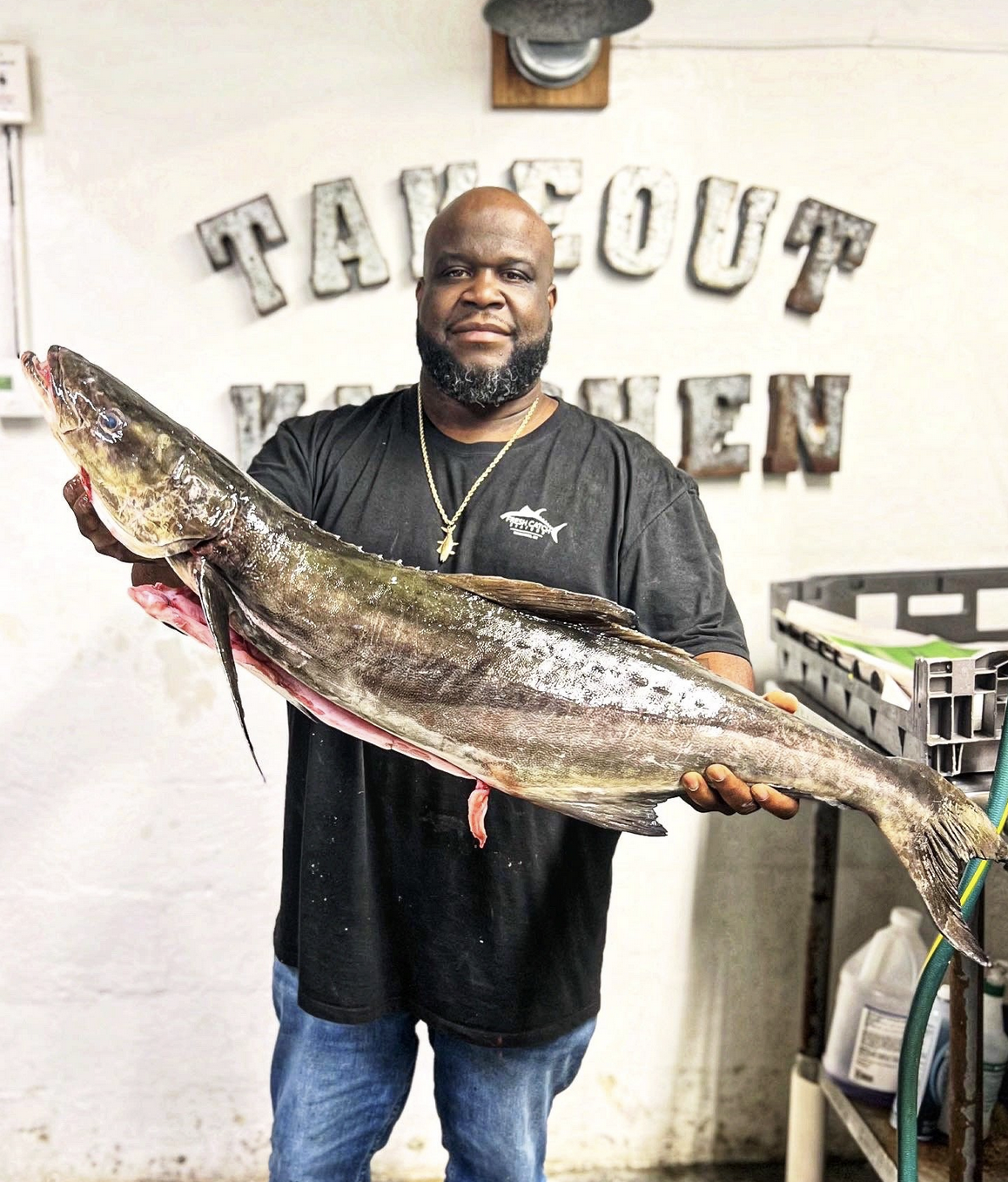
With its dark chocolate-brown body and broad, flattened head, Cobia cuts a striking figure—so much so that it’s sometimes mistaken for a shark. With its sleek frame and toothy grin, you can see why. A natural-born predator, Cobia feeds on crab, shrimp, and other crunchy, shell-on creatures, a diet that gives the meat its deep, rich flavor.
While some Cobia can reach an impressive 170 pounds, the fish you’ll find here are far more sensibly portioned. What that means on the plate is a beautifully firm fillet with a mild, clean, slightly sweet flavor—often compared to a cross between Mahi-Mahi and Swordfish, but richer than most white fish. The texture is dense and meaty, with large flakes and a steak-like bite that’s deeply satisfying.
Cobia has a moderate to high fat content, which gives it a buttery mouthfeel and helps it stay moist during cooking. Its aroma is fresh and neutral when raw, never overly fishy. The flesh ranges from light pink to beige before cooking, then turns white and firm with a gently flaky texture once cooked.
Exceptionally versatile, Cobia holds up beautifully to bold flavors and a wide range of cooking methods. Think zesty citrus marinades—lemon, lime, or even a cheeky orange—paired with fresh herbs like dill or cilantro, or the classic punch of garlic and onion. Grill it, roast it, pan-sear it, or even serve it raw in sushi or ceviche. However you prepare it, don’t sleep on this fish. It’s tasty, sustainable, and surprisingly adaptable—a real catch in every sense.
-
ways to cook it
Sweet potato & salmon tray bake | Jamie Oliver recipes - swap the Salmon for Cobia!
Grill:
Grilling is perfect for Cobia because its firm, dense flesh holds together beautifully over high heat. Brush the fillets or steaks with olive oil, season with salt, pepper, and herbs, and grill skin-side down until the exterior is lightly charred and the inside flakes easily. Citrus slices or a zesty marinade add brightness without overpowering the fish.Pan-Sear:
For a quick, flavorful preparation, pan-sear Cobia in a hot skillet with oil or butter. Sear each side until golden brown, then finish gently over lower heat if needed. A squeeze of lemon or a pat of herb butter enhances the fish’s natural richness.Roast:
Roasting Cobia in the oven allows for gentle, even cooking while retaining moisture. Place fillets in a baking dish with a drizzle of olive oil, fresh herbs, garlic, or citrus slices, and roast until the flesh turns opaque and flakes easily. This method works well for thicker portions and can be combined with roasted vegetables.Bake:
Baking is a forgiving method, especially for fillets. Wrap the fish in parchment or foil with aromatics—lemon, thyme, dill, or a splash of white wine—and bake until tender. The steam inside the packet keeps the fish moist and flavorful.Broil:
Broiling provides intense heat that crisps the top while keeping the inside juicy. Place Cobia close to the broiler element for just a few minutes per side, and finish with a drizzle of citrus or a sprinkle of finishing salt.Poach:
Poaching gently cooks Cobia in a flavorful liquid like fish stock, court bouillon, or seasoned water. This method preserves moisture and highlights the fish’s natural sweetness. Serve with a light sauce or fresh herbs for a delicate presentation.Sushi or Ceviche:
Thanks to its firm texture, Cobia also works beautifully raw. Thinly slice for sushi or sashimi, or marinate in citrus and seasonings for ceviche. Its mild, slightly sweet flavor pairs well with soy, ginger, or bright tropical accents.No matter the method, Cobia shines with fresh, simple seasonings that let its natural flavor take center stage—citrus, garlic, herbs, and a touch of oil are all you need to create a memorable dish.
-
Drinks pairings
When it comes to pairing drinks with fish, balance is key—and with its firm texture and mild, buttery flavor, Cobia offers a perfect canvas for a variety of beverages. Pinot Noir, with its light body, soft tannins, and notes of red cherry and subtle earthiness, is an excellent red option that won’t overpower the delicacy of the fish. It’s particularly good when Cobia is roasted or served with earthy vegetables.
On the white side, a dry, unoaked Sauvignon Blanc is a classic choice. Its zesty acidity, citrus, and herbal notes brighten the dish and cut through any richness, especially if the Cobia is grilled with herbs or lemon. Pinot Grigio also makes a smart match—its clean, crisp profile and notes of green apple and pear let the flavors of the fish shine through without competing.
For grilled or baked Cobia, especially when seasoned simply or with Mediterranean flavors, a crisp white wine like Sauvignon Blanc or a Chablis-style Chardonnay (unoaked or lightly oaked) works beautifully. The fresh acidity and mineral backbone of these wines enhance the fish’s natural sweetness and stand up to char or citrus marinades. If you’re in the mood for something a little more indulgent, try a glass of Vermentino, Albariño, or a white Rioja—wines that bring aromatic complexity and a touch of salinity, making them ideal for seafood. For a twist, a cold dry vermouth spritz or a light white vermouth on the rocks can be an elegant aperitif to sip alongside baked Cobia dishes.
Non-alcoholic options also shine with Cobia. Sparkling water with a twist of lemon or lime keeps the palate bright, while a lightly sweet iced tea or citrus-infused sparkling water complements the fish’s subtle richness. Cucumber-mint spritzers or ginger beer offer refreshing, slightly spicy contrasts that pair beautifully with grilled or roasted preparations.
Cocktail lovers can experiment with drinks that highlight freshness and acidity. A classic Gin and Tonic with a sprig of rosemary or a citrus-forward Margarita elevates grilled Cobia, while a light Vodka Collins or a Lemon Basil Fizz keeps the pairing bright and balanced. The key is to match the fish’s subtle sweetness with fresh, zesty, and aromatic notes—whether you choose alcoholic or non-alcoholic options—so every bite and sip complements the other.