
Grey tilefish
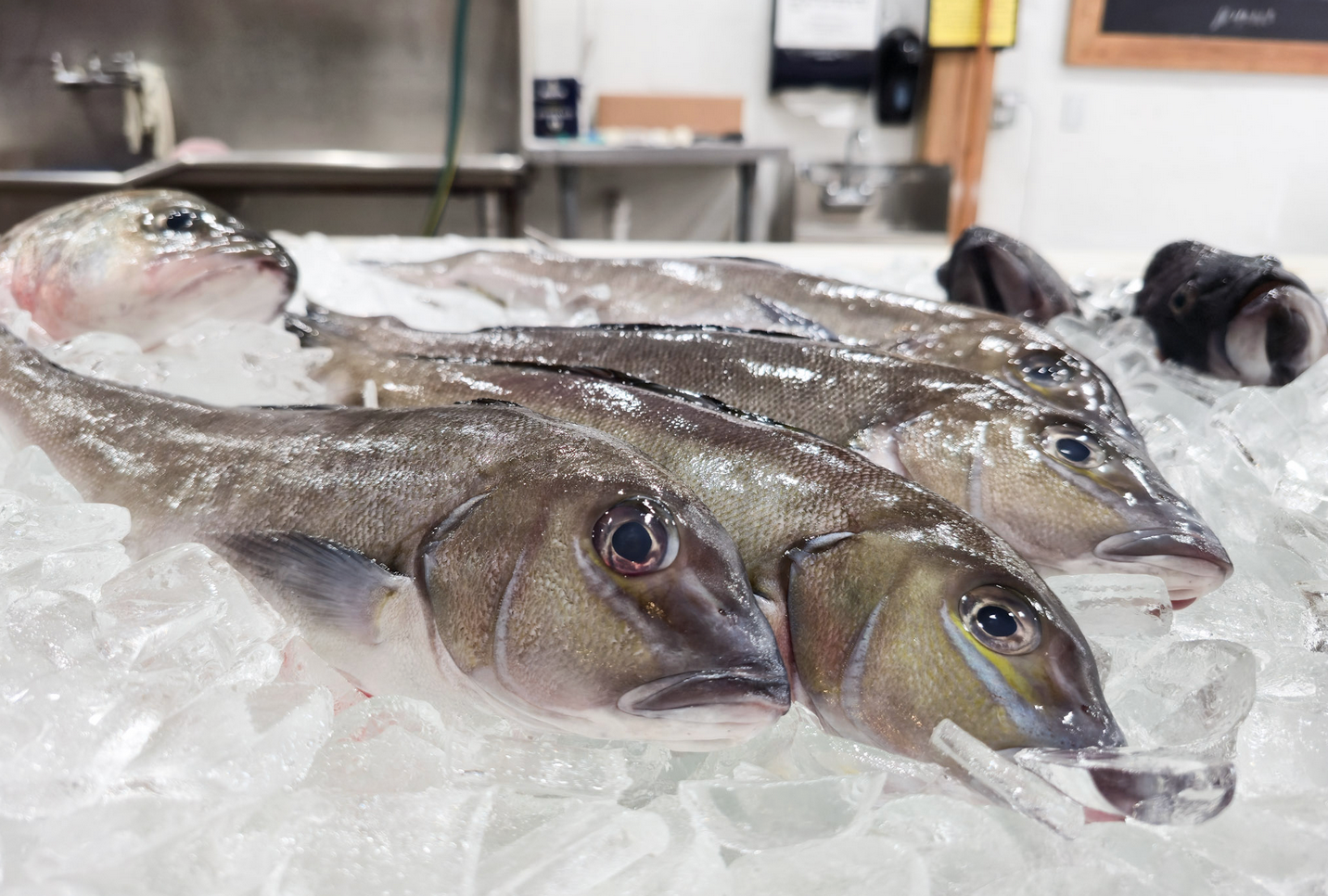
Grey Tilefish is a refined yet understated fish from the western Atlantic, found along the continental shelf and slope from the Mid-Atlantic through the Gulf of Mexico. With its olive-gray back, pale belly, and streamlined body built for deepwater life, it may not have the bright coloration of Golden Tilefish, but it is prized for its culinary quality. Living over sandy and muddy bottoms and feeding primarily on shrimp, crabs, and mollusks, Grey Tilefish develops a naturally sweet character that reflects its shellfish-rich diet.
The flavor is mild yet distinctive — gently sweet with a subtle brininess and a buttery finish that many compare to crab or even lobster. The flesh is firm and moist, turning from pinkish-white when raw to a clean, snow-white once cooked. It flakes neatly but holds its structure, making it versatile and forgiving in the kitchen.
One of its best qualities is the skin: when properly dried and cooked in a hot pan, it crisps up beautifully, creating a golden, crackling contrast to the tender interior. Grey Tilefish excels when pan-seared in cast iron, roasted at high heat, or grilled over charcoal. It also responds well to simple preparations — lemon and herbs, garlic and olive oil, or light butter sauces — where its natural sweetness can shine without being masked. Elegant yet approachable, it’s a fish that rewards clean technique and thoughtful seasoning.
-
ways cook it
Grey (Blueline) Tilefish is at its best when cooked in ways that highlight its delicate sweetness, firm texture, and subtle shellfish richness. Because the flesh is moist and structured, it’s forgiving and versatile—but it truly shines with thoughtful, restrained techniques.
Pan-seared is a top choice. Cook skin-on fillets in a hot pan with a neutral oil or butter until golden and crisp, then finish with lemon, capers, or a light herb butter. This method brings out the fish’s natural sweetness while creating contrast between the crisp exterior and flaky interior.
Grilling works beautifully as well, especially for thicker cuts. A quick marinade of olive oil, citrus zest, garlic, and herbs enhances the flavor without masking it. The gentle smokiness pairs perfectly with the fish’s buttery, crab-like notes.
For a more refined approach, try roasting or baking en papillote. Wrapping the fish in parchment with fennel, shallots, citrus slices, and fresh herbs locks in moisture and infuses the flesh with delicate aromatics—ideal for an elegant, low-fuss preparation.
Grey Tilefish is also excellent gently poached, whether in butter, olive oil, or a light court bouillon. This method preserves its silky texture and clean flavor, making it a favorite for minimalist dishes or paired with simple sauces like beurre blanc or citrus vinaigrette.
Finally, don’t overlook steaming or light broiling, especially for Asian- or Mediterranean-inspired dishes. Steaming with ginger and scallions highlights its sweetness, while broiling with olive oil and herbs gives a lightly caramelized finish without drying the fish out.
-
Drinks pairings
When pairing drinks with Blueline (Grey) Tilefish, it’s worth stepping a little off the beaten path—this fish has enough elegance to handle more distinctive choices. Instead of the usual coastal whites, look to Assyrtiko from Greece, whose laser-sharp acidity and volcanic minerality mirror the fish’s clean, shellfish-like sweetness beautifully. Txakoli from the Basque Country is another standout: lightly effervescent, high-acid, and saline, it brings energy and lift that make grilled or simply dressed Tilefish sing.
For something with a touch more texture, Savagnin from the Jura (ouillé, not oxidative) or a dry Chenin Blanc from the Loire offers subtle orchard fruit, waxy structure, and savory depth that complements the fish’s buttery undertones without weighing it down. If the preparation leans herbaceous or umami-rich, a very pale skin-contact (orange) wine—kept fresh and low-tannin—can add intrigue and grip while still respecting the fish’s delicacy.
Sparkling doesn’t have to mean Champagne. Try Franciacorta, English sparkling wine, or even a Pet-Nat with restraint and good acidity; all bring brightness and texture that work especially well with poached or pan-seared Tilefish. For reds, stay unconventional but light: a chilled Trousseau or Poulsard offers earthiness and subtle fruit that pair surprisingly well with grilled Tilefish and mushrooms or browned butter.
On the non-alcoholic side, keep things equally thoughtful. Verjus spritzes, sparkling white tea, or salted citrus shrubs provide acidity and structure similar to wine, while kombucha made with green tea, yuzu, or herbs adds gentle complexity without overpowering the plate. These pairings respect the fish’s refinement while adding a layer of creativity—just like Blueline Tilefish itself.