
flounder
Flounder is the quiet, unassuming friend at the pub—not the loudest in the room, but always dependable, and you’re glad they showed up. Its flavor is mild and delicate with just a hint of sweetness, subtle enough to feel like a gentle breeze on a calm day. The flesh is pale white to off-white when raw and cooks up bright white and flaky, with a fine-grained, tender texture that’s almost buttery. Extremely lean and low in fat, flounder has a clean, neutral aroma with only a faint ocean note when fresh. It’s the fish equivalent of a cozy Sunday dinner: simple, comforting, and quietly satisfying.
Filleting flounder, however, is an art form. The carcass should be nearly transparent when you’re finished, and the fillets smooth and pristine—there’s very little room for error. It’s the kind of task that can test your patience, especially when someone more experienced is watching and laughing as you mutter your way through it. Still, the reward is worth it.
Flounder shines for those who prefer subtlety. It welcomes gentle cooking methods such as baking, sautéing, steaming, or pan-frying, and it takes well to light seasoning without ever demanding attention. Lemon, garlic, fresh herbs, and a touch of butter are classic pairings, but it won’t compete with bold sauces or elaborate sides. Instead, it plays well with everything on the plate, making flounder an ideal choice for a quick, no-fuss meal that’s comforting, elegant, and easy to love.
-
ways to cook it
Flounder is best suited to gentle cooking methods that highlight its delicate flavor and tender, flaky texture. Pan-frying or sautéing is one of the most popular approaches, allowing the fish to cook quickly in butter or olive oil until just set. A squeeze of lemon and a sprinkle of fresh herbs are often all that’s needed to finish it, letting the natural sweetness of the fish come through.
Baking is another excellent option, especially for a hands-off, reliable result. Flounder can be baked with light seasonings, citrus slices, or a simple herb butter, keeping the flesh moist while preserving its clean, mild taste. Similarly, steaming works well for an especially light preparation, producing soft, flaky fillets that pair nicely with delicate sauces or a drizzle of infused oil.
For a slightly crisper finish, pan-frying with a light dusting of flour or breadcrumbs adds texture without overwhelming the fish. This method creates a golden exterior while keeping the inside tender and moist. Flounder can also be poached gently in broth, wine, or court bouillon, which enhances its subtle flavor and makes it ideal for refined, minimalist dishes. No matter the method, the key is restraint—flounder rewards careful cooking and a light touch.
Buttery Baked Flounder - very simple and super tasty.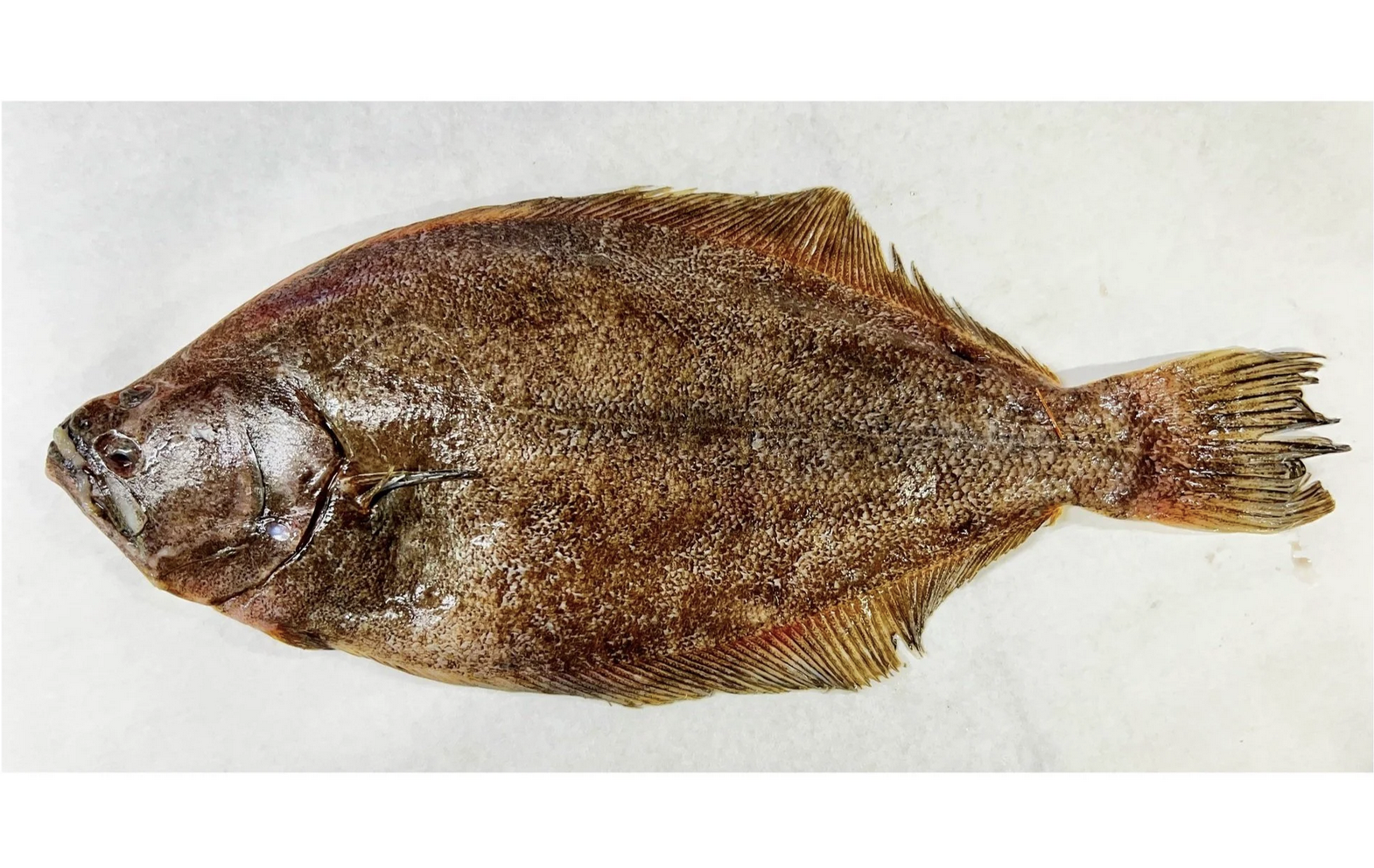
-
Drinks pairings
The delicate flavour pairs best with crisp, light whites like Sauvignon Blanc, Pinot Grigio, or chilled Chardonnay. For something different, try a dry Riesling or sparkling wine. Light reds like Pinot Noir or Rosé can work, but whites remain the top choice. If you fancy being unconventional, try it with a chilled soju infused with yuzu - the citrusy brightness lifts the fish while the soju's gentle warmth lingers just enough to be intriguing. For something earthier, a fino sherry offers a nutty salinity that mirrors the ocean’s whisper in the flounder’s flesh. If you're feeling adventurous, a light pour of aquavit, especially one spiced with dill and caraway, adds a Nordic twist that somehow works—herbal, brisk, and oddly perfect. And for those who dare, orange wine - funky, tannic, and full of personality—can create a textured, almost surreal pairing that turns a simple fillet into a story.