
crawfish
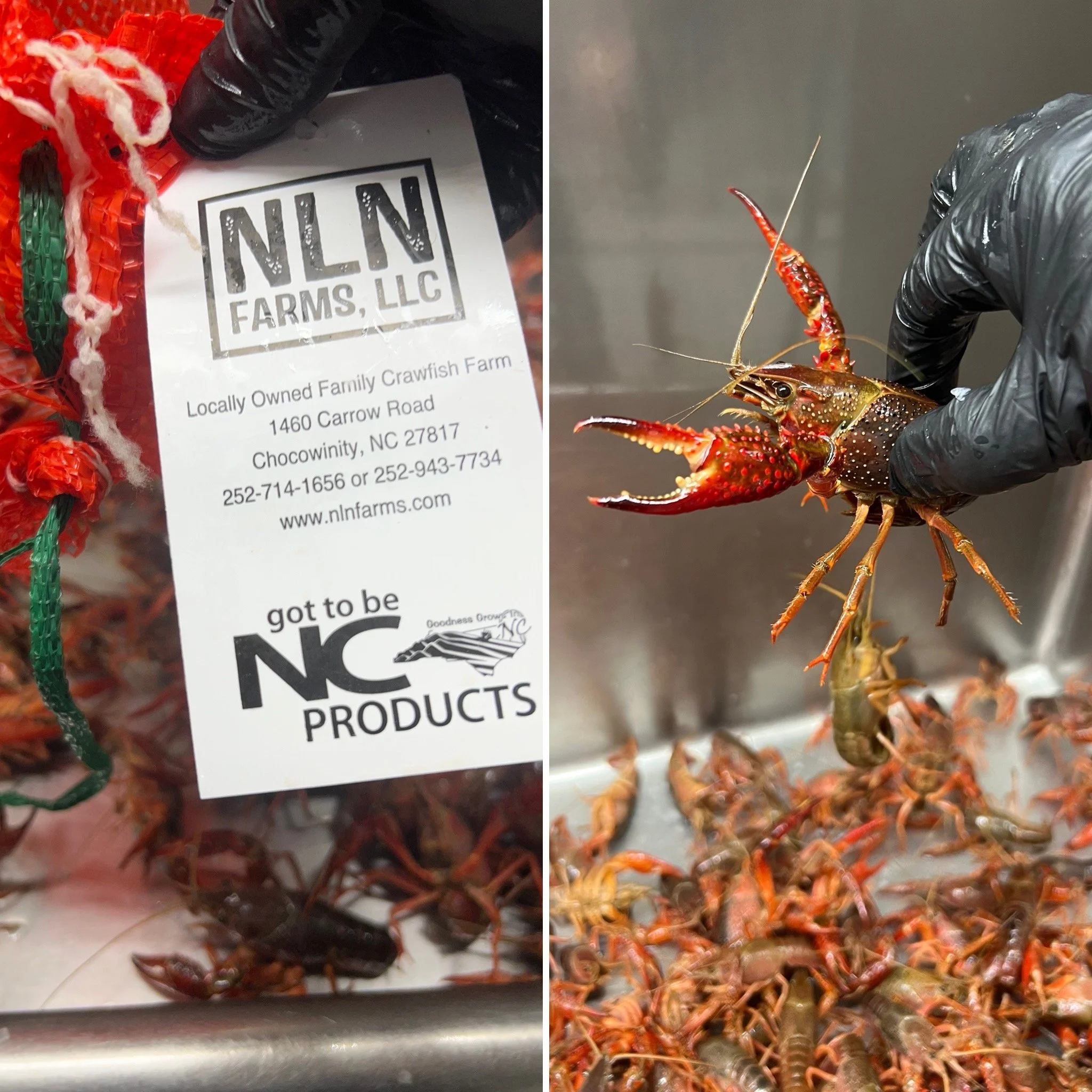
They go by many names: crawfish, crayfish, crawdads or the ever charming mudbugs, depending on where you are and how many pints have been had. They might not be the first thing that springs to mind when you think of North Carolina wildlife, but make no mistake, these little freshwater crustaceans are delicious.
While Louisiana has practically enshrined them in its cultural DNA, with parades, festivals and entire cuisines built around them, North Carolina takes a more relaxed approach. The state is home to several native species, including the White River crayfish and the Appalachian brook crayfish. These miniature freshwater lobsters prefer clean, slow moving water, the sort of place you might paddle on a hot summer's day, provided you don't mind the occasional pincer waving your way.
When it comes to the table, North Carolinians are far more likely to fire up the smoker for pork barbecue than gather around a crawfish boil. Thanks to the South's ever blending culinary cultures, however, it's not unheard of to stumble upon a pot of spicy, buttery crawfish at a seaside shack or neighbourhood cookout. Just don't expect anything on the scale of New Orleans. Here, it's less a way of life and more a cheerful nod to one.
Crawfish are also celebrated in Sweden, where the annual kräftskiva, or crayfish party, marks the end of summer. Friends and family gather outdoors to feast on boiled crayfish flavoured with dill, accompanied by bread, cheese, singing and plenty of akvavit. It's one of Sweden's most cherished culinary traditions.
Crawfish are sweet and succulent, with tender tail meat that has a delicate, slightly sweet flavour reminiscent of lobster or prawns. They are mildly briny, less salty than marine shellfish but still wonderfully savoury, and they take on flavours beautifully. Whether cooked with garlic butter, herbs, Cajun spices or simply boiled in a well seasoned stock, they are perfect for boils, stews or sautéed dishes. Their firm yet tender texture also makes them ideal for pasta, étouffée, soups or simply enjoyed straight from the shell. For the adventurous, the rich head fat, often called "tomalley", delivers an intensely savoury umami flavour that is an acquired taste but highly prized in Cajun cooking.
-
ways to cook it
-
Drinks pairings
When it comes to pairing drinks with Cobia, balance is everything. Its firm texture and mild, buttery flavour make it incredibly versatile, pairing just as well with crisp whites as it does with lighter reds and refreshing cocktails.
Sauvignon Blanc is a classic choice. Its bright acidity, citrus and herbal notes lift the fish beautifully, especially when it's grilled with lemon, garlic or fresh herbs.
Pinot Grigio offers a clean, crisp profile with notes of green apple and pear, allowing the delicate flavour of the fish to remain centre stage.
Chablis is another excellent match. Its minerality and fresh acidity complement grilled or roasted Cobia without overwhelming its natural sweetness.
For something a little different, Albariño, Vermentino or a White Rioja bring citrus, stone fruit and subtle saline notes that feel made for seafood.
If you prefer red wine, choose something light. Pinot Noir, with its soft tannins and bright cherry fruit, pairs surprisingly well with roasted Cobia or dishes served with mushrooms or earthy vegetables.
Beer lovers should reach for a Belgian Witbier, Kölsch or a crisp Pilsner, all of which refresh the palate while complementing the fish's delicate flavour.
For cocktails, keep things bright and refreshing. A Classic Gin & Tonic with rosemary or grapefruit, a Paloma, French 75, Tom Collins or a Lemon Basil Fizz all pair beautifully with grilled or baked Cobia. If you're serving Mediterranean flavours, a chilled Dry Vermouth Spritz also makes an elegant aperitif.
Non Alcoholic Pairings
Sparkling Water with Lemon or Lime is simple, refreshing and allows the flavour of the fish to shine.
Cucumber, Mint & Lime Cooler brings cooling herbal notes that are perfect alongside grilled Cobia.
Citrus Iced Green Tea offers a clean, delicate finish that complements rather than competes with the fish.
Sparkling Grapefruit & Rosemary provides a bright, aromatic alternative to a Paloma.
Ginger Beer adds a gentle warmth that works particularly well with blackened or spiced Cobia, while Elderflower & Lemon Sparkling Water is a wonderfully elegant pairing for lighter preparations.